September 18, 2026 The Future of Posts


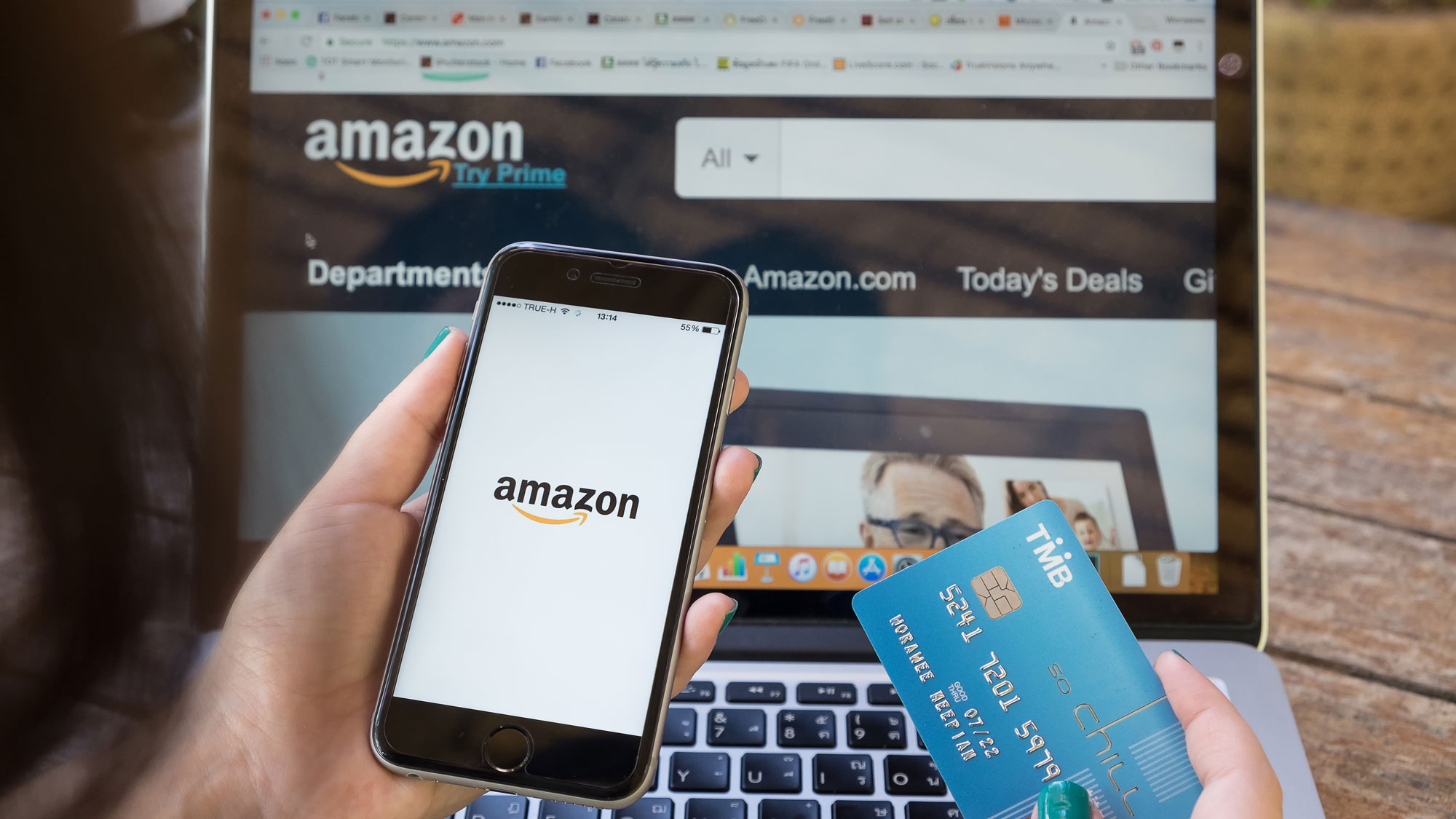

For many posts, it should come as no surprise that Amazon is one of their most important customers. However, it looks like that will change soon. Once a partner, Amazon now seems poised to become a competitor in the parcel delivery market.
Amazon is changing its business model. Since 2019 Amazon has described itself as a transport and logistics company. What does this mean? Amazon is clearly positioning itself between traditional transporters and the Post.
Transportation and logistics are one thing. However, Amazon is also positioning itself to become a serious contender in last-mile fulfillment.
Consider the following:
Amazon wants to own the last mile, not just for cost reduction, but in order to maintain more control over the parcel journey. By owning their own infrastructure, Amazon will be able to offer even faster delivery options which is no small feat considering their already impressive fulfillment record.
The impact is being felt by their competitors. Morgan Stanley sees FedEx and UPS losing a combined 10% of their revenue by 2025 as all of Amazon’s air fleet gets airborne. And FedEx and UPS are increasing their fees, due to rise by 9% on average, and as much as 30% for remote areas.
In the US, Amazon is currently delivering half its own packages which is a massive increase from 2014 when it only delivered 15%. Amazon’s number doubled in 2019, from delivering about 20% of all of its own packages to about half at the moment.
What are posts to think? The answer is clear. Amazon wants to own the entire logistics chain and eventually stop relying on FedEx, UPS, and post offices.
Amazon’s target is a larger percentage of parcel share. How can posts compete? There are three key areas of focus where we believe Posts can remain competitive and retain, if not increase their parcel share.
Customer loyalty is a driving factor in maintaining or increasing parcel share. And driving customer loyalty is customer experience. Creating a remarkable customer experience is key, according to Kevin Gilliland
Advisory board member for Escher, and former CEO of Retail within Post Office Ltd. “Focus on meeting and exceeding your customer needs and expectations while building on Posts’ brand values of trust, convenience, and an unrivaled choice of shipping options.”
Gilliland believes that in the digital age customer service is paramount. Poor customer experience is the single biggest reason customers change providers. Customers really value speaking to a real person when they need to who is friendly, helpful, and knowledgeable; particularly when things go wrong. Perhaps even especially.
With Amazon increasing their reach and expanse in this area, don’t overlook that Posts largely have a head start. Pieter Kunz is an advisory board member for Escher and a former member of the executive board of PostNL. He believes that Posts should use their unique, high dense collection and delivery networks to “deliver high quality, flexibility, reliability and customer-driven solutions enabled with the latest technologies.”
In the modern landscape, managing data and using IT systems to improve the logistic processes and customer interaction is essential. “There is no time to lose,” Kunz believes. “Consumers are looking for convenience and low costs. Posts should become or maintain a position as a cost price leader by innovation, creative labor solutions, and leveraging robotics to increase flexibility, improve efficiency, and being able to set competitive prices.”
Kunz believes Amazon is not only a potential threat for Posts but even more so for the retailers. Joining forces through strategic partnerships with retailers and eCommerce providers can result in improvements to business processes as well as the customer journey.
One thing Kunz wants Posts to do is to face reality. “Amazon will come, and they will put pressure on market shares. But the overall market is growing at a rate of 8 to 12 percent. Posts should anticipate increased competition and should proactively play a leading role in driving the conversation on what form that growth will take. Posts should take control over their own destiny and become proactive and open-minded for new opportunities and willing to join forces with the retail and e-commerce industry.”
Amazon is staking a claim on last-mile fulfillment. However, the post office has some unique characteristics that can be leveraged in the changing competitive landscape for last-mile delivery. Wayne Haubner, Chief Technology Officer for Escher believes the primary competitive advantage for Posts is the relationship the post office has with the customer.
“Throughout the world, the post office is often the most trusted brand and the mail person is trusted by the individuals on their delivery route. The key for the post office is to leverage that trusted relationship and deliver the most convenient and transparent options for last-mile delivery.”
Amazon will come, as Pieter Kunz said. However, Haubner believes the post office, by virtue of touching millions of delivery locations every day, remains the most cost-effective and reliable delivery service especially in remote or difficult to find areas. “With a network of extensive retail locations, pickup and drop off sites (PUDO), and a number of other flexibility options for the consumer, the post office can leverage the convenience of their locations combined with the trust and equity they’ve built with their community.”
Lastly, Kunz believes that data will play a key role as well. “The post office has terabytes of data at their fingertips to optimize the delivery options for the end customer and deliver the best and most flexible customer experience.”
In the end, driving positive customer experiences is key to remaining competitive with Amazon. Creating and delivering those positive experiences; meeting or exceeding customer expectations, and integrating the existing strength points of postal operators along the way, mixed with a healthy bit of technology is what will make the difference.